


Efficiency, flexibility, and cost-saving requirements never appeared so promising today in the industrious age. Groups around the world are embracing newer technologies, which not only improve performance but also lower the cost of operation to the minimum level. One of the newer technologies in the industrial age is the Variable Frequency Drive (VFD). The contribution of variable frequency drives in the current era cannot be overstated—they are the behind-the-scenes heroes of energy-efficient motor control, process optimization, and energy preservation. Let us learn about the optimal uses of variable frequency drives in industries and the importance of this technology in the contemporary era.
What is a variable frequency drive?
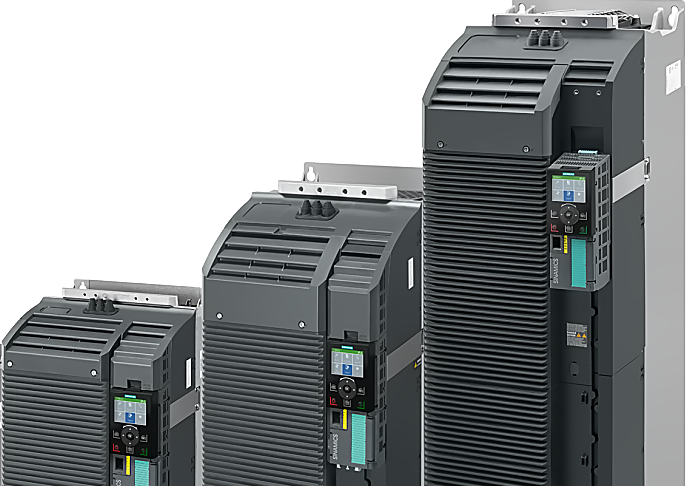
A variable frequency drive, an inverter, or an AC drive is an electronic driver that is utilized to change the speed and the torque of an electric motor by manipulating the input frequency and voltage into the motor. It can be stated that it permits drivers to drive a motor at a preferred speed. Motors used to be operated at constant speed, and this can result in wasted energy as well as mechanical strain. With the use of VFDs, corporate business has attained synchronizing motor drive based on exact process demands, and this has been followed by remarkable efficiency and performance enhancement. 1. Manufacturing Industry: Precision and productivity are spearheaded by
The biggest use of variable frequency drives will be in industry. Motors are used in vast numbers in factories—on mixers, pumps, fans, compressors, and conveyors. Motors would be running at a constant level, much greater than they would otherwise have had to run but for VFDs. The manufacturers get motor speed control with VFDs so equipment will be running at the rates of optimal loads.
For example, in a bottling plant, the conveyor would need to slow down when operating lightly and speed up when operating heavily. VFDs accomplish such adjustments and are also energy-efficient as well as smooth. Slackening redundantly also saves on wear and tear, reducing maintenance cost as well as equipment life.
2. HVAC Systems: Optimum Comfort and Efficiency
The most common application of variable frequency drives in daily life is in air conditioners, heaters, and ventilation systems. Commercial and residential buildings need controlled air supply as well as temperature. VFDs can assist in ensuring that HVAC fans and pumps are run at the required speed only instead of running at full load always.
For instance, in high-rise business zones in metropolitan areas, air needs to be replaced daily. VFDs turn off the fans at low loads and thus use a lot of power. Through research, the use of VFD in HVAC saves up to 50% on energy, cost, and greenhouse gas amount.
3. Water and Wastewater Treatment Plants
Water distribution is highly reliant upon pumps to convey, treat, and distribute water. Pump speed was always a constant value in the past; hence, it never spent any energy at variable demand ever. Variable frequency drives have one of the broadest applications here by adjusting pump speed to modulate variable demand in real time.
For example, during low demand for water periods, VFDs reduce the pumping speed automatically to save power. Similarly, during sewage treatment operations, VFDs control aeration and mixing duties so that the air or agitation demand needed is utilized completely. Apart from saving energy, the control process is also optimized, resulting in efficient and effective processes.
4. Support Agriculture: Enhancing Irrigation Efficiency
Energy conservation in agriculture today is the pillar of sustainable agriculture. VFDs are used intensively in irrigation pumps for pressure and water control. Rather than driving irrigation pumps continuously at rated load, VFDs stagger pump operation based on weather, crop, and soil moisture.
This smart control controls the water use, thus providing optimal water and energy efficiency. The VFDs are also integrated with automatic systems, which are sensor-activated, leading to an industry-leading pumping irrigation system. Farm pumping is one of the most lucrative uses of variable frequency drives for rural enterprises.
5. Mining Industry: Observation of Heavy-Duty Applications
Mining operation relies on massive motors of crushers, conveyor motors, hoist motors, and ventilating motors—all maximum power utilizing devices. Out of all the variable frequency drive applications needed, speed control of such massive motor loads would be the maximum.
With VFDs, mining activities can reduce start current, reduce mechanical stress, and improve overall motor operation. Soft-start ability avoids equipment wear and tear on startup, and precise speed control improves accuracy and security of production. The result is more dependable operation, reduced downtime, and cost savings in energy efficiencies.
6. Oil and Gas: Reliable and Safe Operations
Offshore oil and gas platforms are extremely exposed to harsh environments, and equipment reliability is a key issue. Drilling rigs, compressors, and pumps need to be run efficiently and safely. VFDs allow them to do so by accurate motor speed and torque control.
One of the most successful applications of variable frequency drives in oil and gas is pump systems—pipeline pressure and well fluid level control. VFDs prevent pressure spikes and mechanical stress through proportionality of speed and load, ensuring smooth and safe operation.
Benefits of Variable Frequency Drives
Aside from specialty application, VFD benefits all companies:
- Energy Savings: Reducing motor speed saves energy by a big percentage.
- Increased Equipment Life: Smooth start and stop prevents mechanical stress.
- Improved Process Control: Tapering speed control improves productivity.
- Less Downtime: Fewer mechanical breakdowns = smoother production.
- Low Operating Cost: Efficiency in energy has been rendered cost-saving.
Conclusion
From factory shop floors to farms today, from skyscraper AC to green power plants, the use of variable frequency drives is reengineering industry operations. And that’s not the last; such smart systems are optimizing operations and generating world agendas for energy conservation and sustainability.
With continuously changing technology, VFDs will be at the forefront—performance, reliability, and innovation ever more so into the future. Investing in it today is investing in a cleaner, better, and more productive tomorrow.