


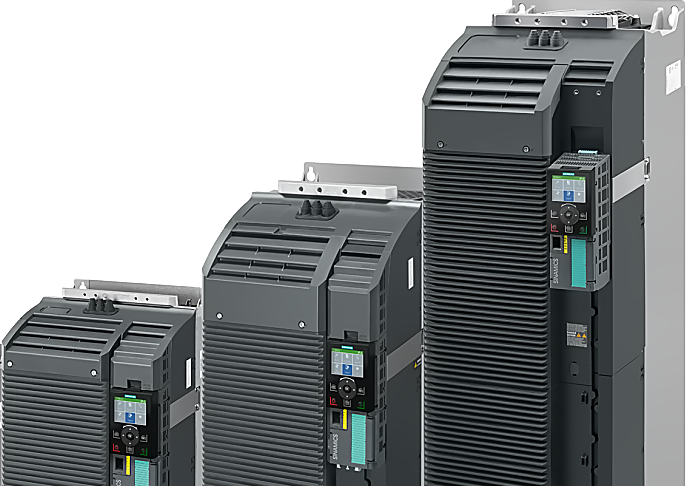
The dynamic world we are living in is all about seeking ways to attain efficiency, reduce wastage of resources such as electricity, and increase the lifespan of equipment used in industries. Among the most important technologies that can help industries attain their goals is the AC drive, also called the Variable Frequency Drive (VFD). To understand variable frequency drive uses is to unlock better performance for motors.
What Is a Variable Frequency Drive (VFD)?
A Variable Frequency Drive (VFD), in essence, is an electronic device that regulates the speed and torque of an electrical motor by adjusting the frequency and voltage of its power source. This means that instead of running an electrical motor at full speed, a variable frequency drive enables an electrical motor to be driven at a speed that meets actual requirements.
Significance of Variable Frequency Drive Uses in Modern Industry
The importance of variable frequency drive uses can be explained by their capability to optimize equipment performance. Electric motors use almost 40-50% of the world’s overall energy consumption. Using these motors in an efficient manner can make a huge difference in energy consumption.
The way variable frequency drive technology can optimize equipment performance:
1. Energy Savings and Cost Reduction
The most important application of a variable frequency drive is the saving of energy. Normally, the motor speed is fixed irrespective of the requirement. This is a waste of electricity.
With a VFD:
- The speed of the motor can be reduced according to the requirement
- The consumption of power can be reduced significantly
- The electricity bills can be reduced significantly
- The efficiency can be increased significantly
2. Improved Equipment Lifespan
Equipment is prone to wear and tear due to hard starts and stops. The motor’s high-torque start causes damage to the belt, bearings, and gears.
Some of the important applications of variable frequency drives are related to soft starting and stopping of motors. A VFD gradually increases motor speed, reducing jolts during startup.
The following are some of the disadvantages of hard starting motors:
- Mechanical stress
- Equipment failure
- Maintenance
- Downtime
The lifespan of motors is increased by using VFDs.
3. Better Process Control
Precision is important in manufacturing and processing industries. Motors that operate at high or low speeds can impact the quality of products.
Another important advantage that can be obtained from variable frequency drive use is the precise control that can be achieved. Whether a process involves controlling conveyor belts, air compressors, mixers, or packaging machines, precise control can be achieved.
The advantages obtained from using variable frequency drives include:
- Consistent quality
- Smooth running
- Less wastage
- Increased productivity
The food processing industry, textile industry, pharmaceutical industry, and automobile industry require precise control.
4. Reduced Maintenance and Downtime
Frequent breakdowns can end up costing a business thousands in lost production. Smart motor control systems can help minimize such risks.
One of the variable frequency drive practical applications is in the reduction and prevention of overheating and overload conditions. The variable frequency drive can monitor the performance of a motor and can help in the prevention of excessive current draw.
This can help in:
- Reducing breakdowns
- Reducing costs
- Increasing reliability
- Increasing stability
In 2026, predictive maintenance and variable frequency drive technology will be a trend in AI-powered smart factories.
5. Enhanced Safety in Operations
Industrial safety is a key priority. Motor start-ups can pose a threat to operators and equipment.
With the use of controlled acceleration and deceleration, one of the safest variable frequency drive applications is protecting workers and equipment from sudden motion start-ups.
The VFD system can also be used for:
- Fault detection
- Emergency stop control
- Reduction of electrical surge
This results in a safer and stable working environment.
6. Applications Across Multiple Industries
The varied applications of variable frequency drives guarantee their efficiency in different industries.
Common Applications Include:
- Water treatment plants – control of pumps
- HVAC systems – control of fans and compressor
- Manufacturing plants – control of conveyors and machines
- Mining plants – control of heavy motors
- Oil and gas industries
7. Smart Integration with Automation & AI Systems
The modern factory is becoming a smart factory due to the integration of IoT technology and AI. The integration of VFDs has now included PLCs, SCADA systems, and cloud-based systems.
The modern functions of the advanced variable frequency drives include:
- Tracking in real-time
- Monitoring remotely
- Optimization of data
- Automation of load adjustment
The above points clearly indicate the importance of VFDs for the fourth industrial revolution.
Frequently Asked Questions (FAQs)
1. What are the main variable frequency drive uses?
The main variable frequency drive uses include controlling the speed of the motor, saving energy, reducing mechanical stress on the motor, improving control of the motor, and increasing the life of the motor.
2. How does a VFD improve motor performance?
A VFD improves the performance of the motor by adjusting the voltage and the frequency to the required level according to the load requirements to avoid overheating the motor.
3. Can VFDs reduce electricity bills?
Yes. The variable frequency drives help in saving a lot of money on the electricity bills as the speed of the motor is controlled according to the actual requirements. This helps in saving a lot of energy.
4. Are VFDs applicable for small businesses?
Yes. The variable frequency drive is applicable for small businesses since it can be used in small workshops or in large business premises.
5. Do VFDs require regular maintenance?
Yes. The variable frequency drives require minimum maintenance compared to the other motor drives.
Final Thoughts
The need to understand the uses of variable frequency drive technology is critical for industries that seek to advance their equipment performance while cutting down on their operating expenses. The symbiotic relationship between AC drives and VFD technology is a game-changer for industries.